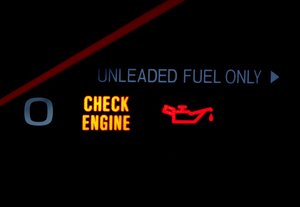
Seeing the Check Engine Light turn on can be stressful, but it doesn’t always mean something serious. This warning light is part of your vehicle’s onboard diagnostic system and is designed to alert you when something isn’t operating as it should. Understanding what the light means—and how to respond—can help you avoid unnecessary repairs and protect your vehicle.
What Is the Check Engine Light?
The Check Engine Light (sometimes labeled “Service Engine Soon”) is triggered when your car’s computer detects a problem related to the engine, emissions system, or drivetrain. Sensors throughout the vehicle constantly monitor performance, fuel efficiency, and emissions. When something falls outside normal parameters, the system stores a diagnostic trouble code (DTC) and turns on the light.
Solid vs. Flashing Check Engine Light
Not all Check Engine Lights mean the same thing. The way the light appears matters.
Solid Check Engine Light
A solid light usually indicates a non-urgent issue. Your vehicle may still be safe to drive, but it should be inspected soon to prevent further damage or reduced fuel efficiency.
Flashing Check Engine Light
A flashing light signals a serious problem, often an engine misfire that could damage the catalytic converter. If this happens, reduce speed and have the vehicle checked immediately.
Common Reasons the Check Engine Light Comes On
- Loose or damaged gas cap – One of the most common and easiest fixes.
- Faulty oxygen sensor – Can reduce fuel economy and increase emissions.
- Worn spark plugs or ignition coils – May cause misfires or rough running.
- Mass airflow sensor issues – Affects how much fuel the engine receives.
- Catalytic converter problems – Often caused by driving too long with unresolved engine issues.
- Vacuum leaks – Cracked hoses can disrupt engine performance.
What You Should Do When the Light Comes On
- Check the gas cap – Tighten it until it clicks.
- Pay attention to symptoms – Note any changes in performance, sounds, or smells.
- Schedule a diagnostic check – A professional scan can identify the exact issue.
- Address the problem promptly – Early repairs are usually less expensive.
How a Diagnostic Scan Helps
A diagnostic scan reads the trouble codes stored in your vehicle’s computer. These codes point technicians toward the source of the issue, saving time and ensuring accurate repairs. While the code identifies the problem area, a full inspection is often needed to confirm the root cause.
- Preventing Future Check Engine Light Issues
- Keep up with routine maintenance
- Replace spark plugs and filters on schedule
- Use quality fuel
Don’t ignore minor performance issues
The Check Engine Light is your vehicle’s way of asking for attention—not a reason to panic. Responding quickly and getting an accurate diagnosis can keep your car running efficiently, safely, and reliably. If your Check Engine Light is on, having it checked sooner rather than later can save you time, money, and stress.